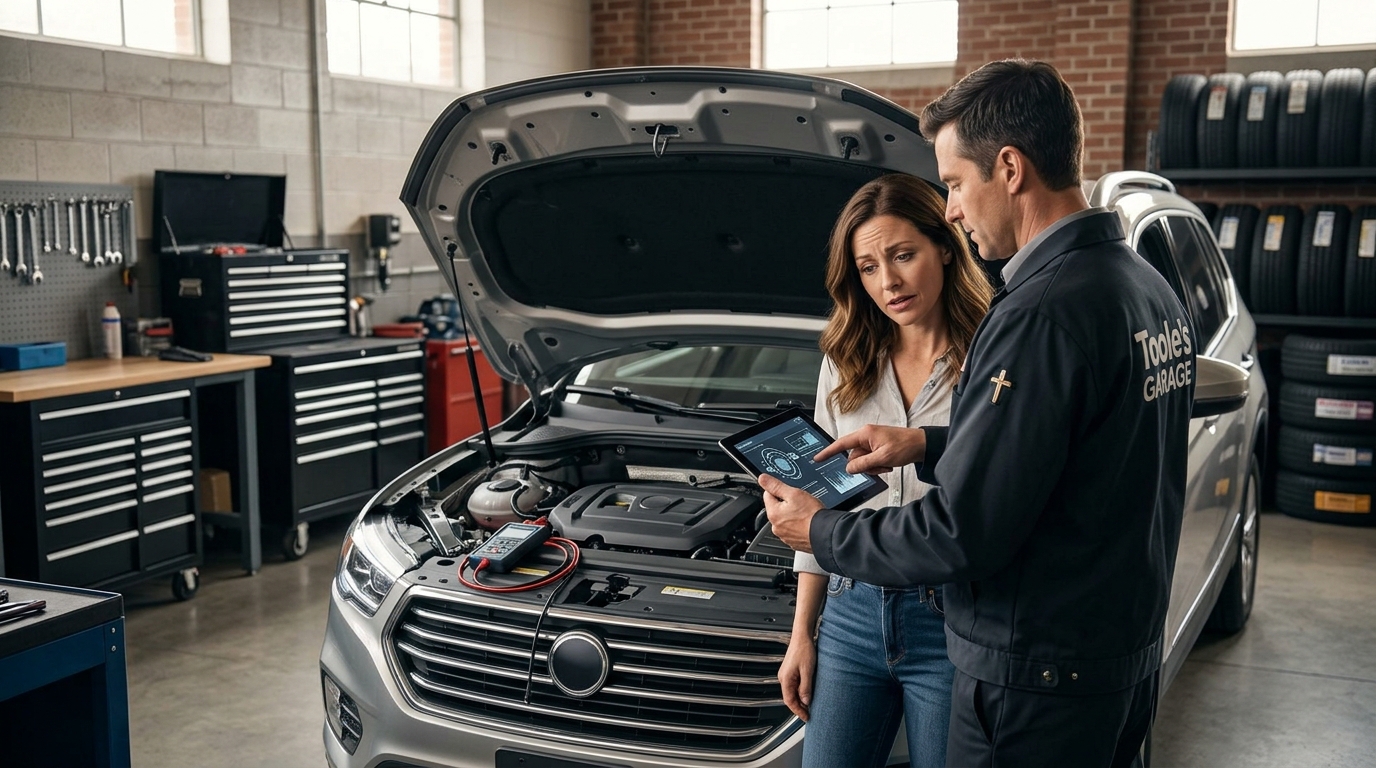
Understanding the costs involved in vehicle diagnostics is essential for budgeting your auto repair expenses. Diagnostic fees cover the labor and equipment used to identify the root cause of your air conditioning system's failure. At Toole's Garage, we believe in transparent pricing so you know exactly what you are paying for before any repair work begins.
1. Standard Diagnostic Labor Fee
This is the base cost for a technician to inspect your vehicle and identify the issue. Most shops charge a flat rate for the initial diagnostic session, which typically lasts between 30 and 60 minutes. This fee covers the time a certified technician spends using scan tools and physical inspection to pinpoint the problem. If the repair is performed at the same shop, this fee is often credited toward the total repair cost.
2. Refrigerant Pressure Test Fee
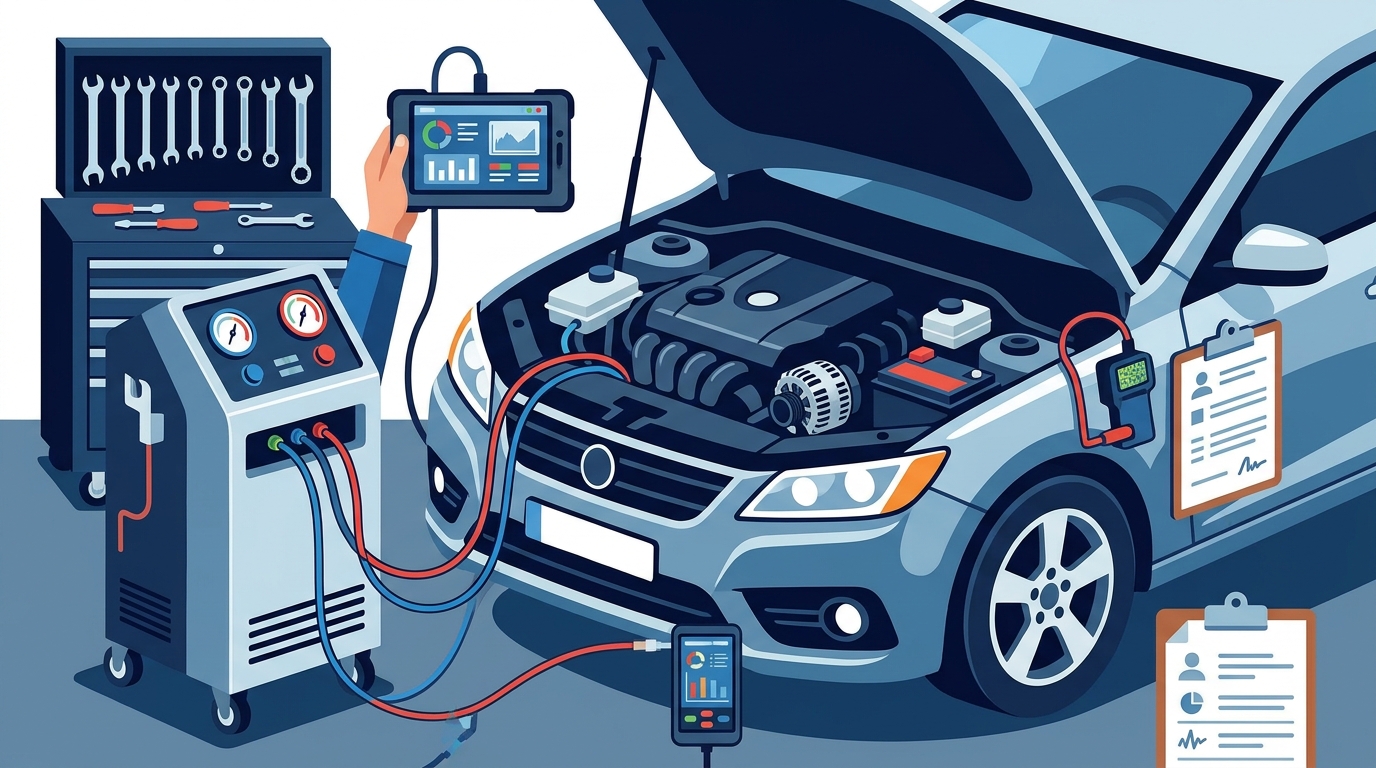
This specific test checks the pressure levels within your AC system to detect leaks or blockages. A pressure test is a critical part of AC diagnostics because it reveals whether the system is holding charge or losing refrigerant. The fee for this service covers the use of specialized gauges and the time required to analyze the results. It helps determine if the issue is a simple recharge or a more complex leak repair.
3. Leak Detection Service Fee
Advanced leak detection uses UV dye or electronic sensors to find hidden refrigerant leaks. When a pressure test confirms a leak, technicians often perform a detailed leak detection service to locate the exact source. This fee covers the application of UV dye and the use of blacklight tools or electronic sniffers. Identifying the precise location of the leak prevents unnecessary replacement of expensive components like the compressor or condenser.
4. Electrical System Diagnostic Fee
This fee applies when the AC issue is traced to electrical components like sensors or relays. Modern vehicles rely on complex electrical networks to control the AC system, including the compressor clutch and temperature sensors. Diagnosing these issues requires multimeters and oscilloscopes to trace voltage and signal problems. The cost covers the technical expertise needed to interpret electrical data and identify faulty wiring or components.
5. Compressor Performance Test Fee
This test evaluates whether the AC compressor is functioning correctly under load. The compressor is the heart of the AC system, and testing it involves monitoring amperage draw and pressure differentials. This fee covers the specialized equipment and time needed to assess the compressor's health. It helps determine if the compressor needs replacement or if the issue lies elsewhere in the system.
6. Evaporator Core Inspection Fee
This fee covers the inspection of the evaporator core, which is often hidden behind the dashboard. The evaporator core can develop leaks or become clogged, causing poor cooling performance. Inspecting this component may require removing parts of the dashboard, which adds labor time. The fee reflects the complexity of accessing and evaluating the evaporator core without disassembling the entire interior.
7. System Flush and Evacuation Fee
This fee is charged when the AC system needs to be flushed and evacuated before recharging. After repairing a leak or replacing a component, the system must be thoroughly cleaned and vacuumed to remove moisture and debris. This step is crucial for preventing future damage to the compressor. The fee covers the labor and equipment used to ensure the system is clean and ready for new refrigerant.
Choosing the Right Diagnostic Service
Selecting the appropriate diagnostic service depends on the symptoms your vehicle is exhibiting. If your AC is blowing warm air, a standard diagnostic and pressure test are usually the starting point. If you suspect a leak, adding a leak detection service can save money in the long run. At Toole's Garage, our ASE certified technicians will recommend the most efficient diagnostic path to get your car cooling again quickly and affordably.
Frequently Asked Questions
Is the diagnostic fee waived if I get the repair done?
Many shops, including Toole's Garage, credit the diagnostic fee toward the repair cost if you proceed with the work at the same location. This policy ensures that you are not double-paying for the same issue. Always ask about the shop's policy on diagnostic credits before starting the work.
How long does an AC diagnostic take?
A standard AC diagnostic typically takes between 30 and 60 minutes. More complex issues, such as electrical faults or hidden leaks, may require additional time. The technician will keep you informed if the diagnosis takes longer than expected.
What is the difference between a pressure test and a leak test?
A pressure test checks if the system is holding refrigerant, while a leak test identifies the specific location of a leak. A pressure test is a general check, whereas a leak test is a targeted investigation. Both are important for accurate AC repair.
Do I need a diagnostic if my AC is just weak?
Yes, even weak cooling can indicate underlying issues like low refrigerant or a failing compressor. A diagnostic helps determine the cause of the reduced performance. Ignoring weak cooling can lead to more expensive repairs later.
Can I do an AC diagnostic myself?
While you can check refrigerant levels with a gauge, a full diagnostic requires professional tools and expertise. Modern AC systems are complex and require specialized equipment to diagnose accurately. It is best to leave the diagnostic work to a certified technician.
Ready to Cool Down?
Don't let a broken AC system ruin your summer. Toole's Garage provides honest, transparent diagnostics and high-quality AC repair services. Visit our AC repair page to learn more about our services or schedule an appointment today.