
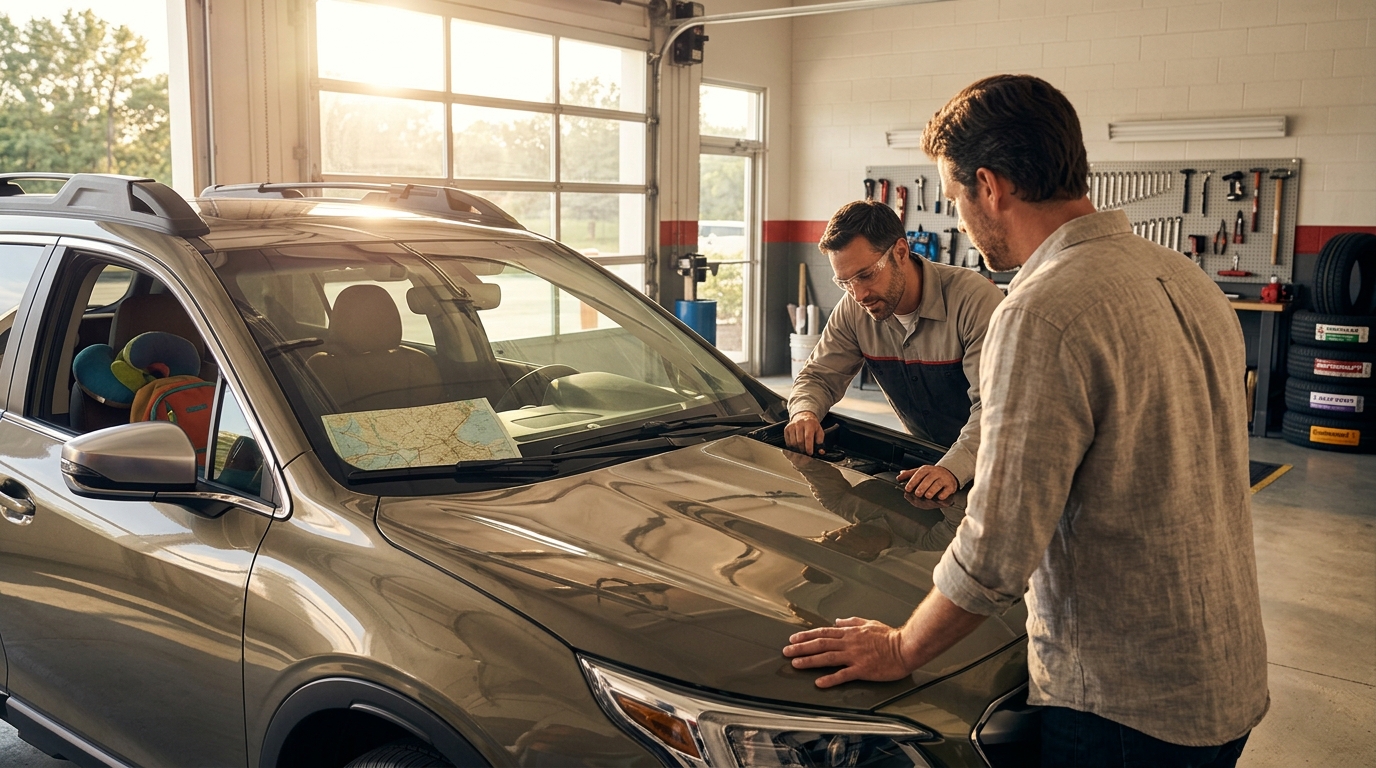
For a summer road trip, prioritize AC repair if you drive in extreme heat, but replace your battery if it is over three years old or shows weak cranking. This guide covers how to choose, verify, and budget for these critical systems. according to Car Maintenance Tips
How to Choose: AC Repair vs. Battery Replacement
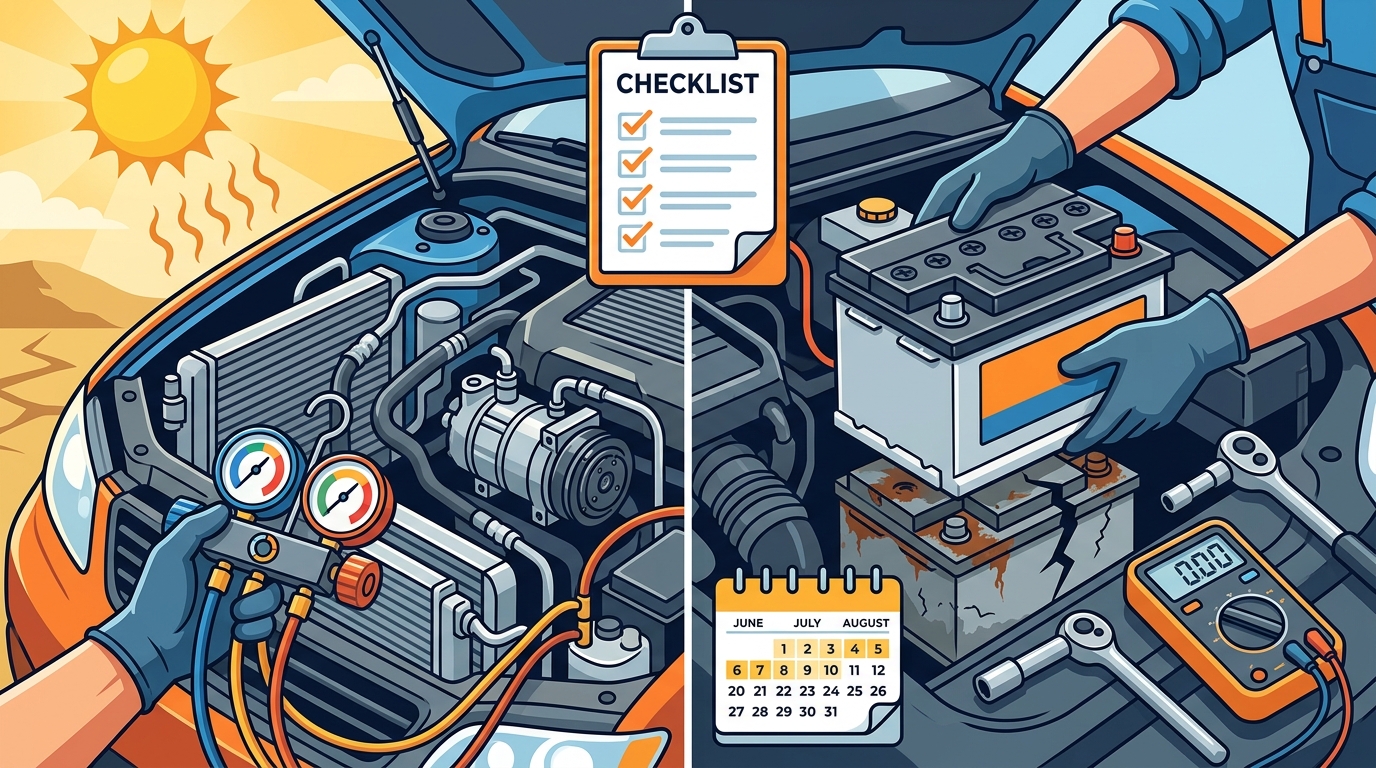
Choosing between AC repair and battery replacement depends on your vehicle's age and your destination's climate. A car battery is a 12-volt lead-acid or AGM unit that stores electrical energy. It is the first component to fail in hot weather because heat accelerates chemical degradation. If your battery is older than four years, replacement is the safer choice for a long trip. Conversely, an air conditioning system is a closed-loop refrigerant circuit that cools cabin air. If you are driving through the desert Southwest or the humid Southeast, a failing AC system is a comfort and safety risk. At Toole's Garage, we recommend a dual diagnostic approach. We test the battery's cold cranking amps and check the AC system's pressure and refrigerant charge. This ensures you do not spend money on a repair that is not the root cause of your discomfort or starting issues.
Assessing Battery Health
Battery health is measured by state of charge and internal resistance. A healthy battery should hold a charge of 12.6 volts or higher when the engine is off. If the voltage drops below 12.4 volts, the battery is likely sulfated and may not start in extreme heat. We use digital load testers to simulate the strain of starting a hot engine. This test reveals if the battery can deliver the necessary amperage to the starter motor without voltage drop.
Evaluating AC Performance
AC performance is evaluated by the temperature drop across the evaporator core. A properly functioning system should lower the cabin temperature by at least 20 degrees Fahrenheit within five minutes of operation. If the air blowing from the vents is warm or smells musty, the system may have a refrigerant leak or a failing compressor. We inspect the condenser and hoses for signs of oil residue, which indicates a leak. This visual inspection is critical before adding refrigerant, as adding gas to a leaking system is a waste of money.
What to Ask Before Committing
When you bring your vehicle in for a summer check, you should ask specific questions to ensure you are getting the right service. Do not accept a vague recommendation. Ask the technician to show you the test results. For a battery, ask for the load test printout. For the AC, ask for the pressure readings at the high and low sides. These numbers provide objective data rather than subjective opinions. You should also ask about the warranty on the parts and labor. A reputable shop will stand behind their work. At Toole's Garage, we provide clear explanations of what is failing and what is still healthy. This transparency helps you make an informed decision about whether to repair or replace.
Questions for Battery Service
Ask if the battery is a standard flooded lead-acid or an AGM (Absorbent Glass Mat) type. AGM batteries are more expensive but handle heat better and last longer. Ask about the warranty period. Most batteries come with a 24 to 36-month warranty. Ask if the shop recycles the old battery. Proper disposal is an environmental responsibility that a good shop will handle automatically.
Questions for AC Service
Ask if the shop performs a leak test before adding refrigerant. A leak test uses UV dye or an electronic sniffer to find the source of the leak. Ask if the compressor clutch is engaging properly. A failing clutch can seize up and destroy the compressor. Ask about the type of refrigerant your vehicle requires. Modern vehicles use R-134a or the newer R-1234yf. Using the wrong refrigerant can damage the system and void the warranty.
How to Verify Claims and Credentials
Verifying the credentials of your service provider is essential for peace of mind. Look for ASE (Automotive Service Excellence) certification. This is the industry standard for technician competence. You can verify a technician's certification through the ASE website. Additionally, check for manufacturer-specific training. For hybrid or electric vehicles, specialized training is required. At Toole's Garage, our technicians are ASE certified and trained on the specific systems of the vehicles we service. We also maintain a clean and organized workspace, which reflects our attention to detail. You can read reviews from other customers to gauge their experience. Look for reviews that mention specific details about the service, such as the time it took or the clarity of the explanation. This helps you verify that the shop delivers on its promises. according to 10 Tips for
Checking Certifications
ASE certification is not a one-time event. Technicians must pass recertification exams every five years to maintain their status. This ensures they are up to date with the latest vehicle technology. You can ask to see the certification cards in the shop. A legitimate shop will display them prominently. Additionally, look for affiliations with national service organizations. These organizations often have strict standards for member shops. This adds another layer of verification to the shop's reputation.
Reviewing Service History
Ask for a detailed service history if you have been to the shop before. A good shop will keep records of all work performed on your vehicle. This history helps identify recurring issues. If a problem keeps coming back, it may indicate a deeper issue that was not properly addressed the first time. Reviewing this history allows you to hold the shop accountable for the quality of their work. It also helps you plan for future maintenance needs.
How It Works: The Diagnostic Process
The diagnostic process for AC and battery systems is systematic and thorough. It begins with a visual inspection. The technician looks for obvious signs of damage, such as cracked hoses or corroded battery terminals. Next, they perform functional tests. For the battery, this involves a load test and a charging system test. For the AC, this involves measuring pressures and temperatures. The technician then analyzes the data to determine the root cause of the problem. This process usually takes 30 to 60 minutes. It is important to allow enough time for a proper diagnosis. Rushing the process can lead to misdiagnosis and unnecessary repairs. At Toole's Garage, we take the time to do it right. We do not guess. We test and verify.
Battery Diagnostic Steps
The battery diagnostic starts with a visual check of the terminals and cables. Corrosion can increase resistance and cause starting problems. The technician then connects a digital tester to the battery. The tester measures the voltage and the internal resistance. It also performs a load test, which simulates the strain of starting the engine. The results are printed out and explained to the customer. If the battery fails the test, it needs to be replaced. If it passes, the problem may be in the charging system, such as the alternator.
AC Diagnostic Steps
The AC diagnostic starts with a check of the cabin air filter. A clogged filter can restrict airflow and reduce cooling. The technician then connects gauges to the AC system. They measure the pressure at the high and low sides. They also measure the temperature of the air blowing from the vents. If the pressures are out of range, the system may have a leak or a blockage. The technician then performs a leak test to find the source of the leak. Once the leak is found and repaired, the system is evacuated and recharged with the correct amount of refrigerant.
What It Costs: Budgeting for Repairs
Factors That Affect Battery Cost
The cost of a battery is affected by its size, type, and brand. Larger batteries that power more electrical systems cost more. AGM batteries cost more than flooded lead-acid batteries because they are more durable and require less maintenance. Brand also affects cost. Premium brands cost more but often last longer. You should choose a battery that meets your vehicle's specifications. Using a battery that is too small or the wrong type can cause starting problems and shorten the battery's life.
Factors That Affect AC Cost
The cost of AC repair is affected by the component that is failing. A leak in a hose is cheaper to fix than a leak in the compressor. The compressor is the most expensive component in the AC system. It is also the most complex. Replacing it requires specialized tools and skills. The type of refrigerant also affects cost. R-1234yf is more expensive than R-134a. Labor costs are a significant part of the total cost. The more time it takes to diagnose and repair the system, the higher the labor cost. Getting a proper diagnosis is essential to avoid unnecessary repairs.
What Goes Wrong: Common Mistakes
There are several common mistakes that drivers make when preparing for a summer road trip. One of the most common is ignoring warning signs. If your car is taking longer to start or the AC is blowing warm air, do not ignore it. These are signs that something is wrong. Another common mistake is delaying repairs. A small leak can become a major problem if it is not fixed. A weak battery can fail completely, leaving you stranded. At Toole's Garage, we encourage our customers to address issues early. This saves money and prevents breakdowns. We also educate our customers on how to maintain their vehicles. This helps them avoid common mistakes and extend the life of their components.
Ignoring Warning Lights
Warning lights on the dashboard are there for a reason. If the battery light comes on, it means the charging system is not working properly. If the AC warning light comes on, it means there is a problem with the cooling system. Ignoring these lights can lead to more serious and expensive repairs. For example, a failing alternator can drain the battery and cause the car to stall. A failing AC compressor can overheat and seize up. Addressing warning lights early is the best way to avoid these problems.
Using the Wrong Parts
Using the wrong parts can cause more problems than it solves. For example, using a battery that is not the right size can cause it to rattle and break. Using the wrong type of refrigerant can damage the AC system. Always use parts that meet your vehicle's specifications. Your service provider should be able to tell you the correct parts for your vehicle. If you are unsure, ask for their recommendation. They have the expertise to choose the right parts for your car.
Versus Alternatives: Repair vs. Replace
When deciding between repair and replacement, you should consider the age and condition of the component. If the component is old and has multiple issues, replacement is usually the better option. If the component is relatively new and has a single issue, repair may be the better option. For example, if your battery is five years old and has a weak cell, replacement is the best option. If your AC system is two years old and has a small leak, repair is the best option. At Toole's Garage, we help you make this decision. We provide you with the facts and let you choose. We do not pressure you into a repair or a replacement. We want you to be satisfied with your decision.
When to Repair
Repair is the best option when the component is relatively new and the issue is minor. For example, if your AC system has a small leak in a hose, repairing the hose is cheaper and faster than replacing the entire system. If your battery has a corroded terminal, cleaning the terminal is a simple and inexpensive fix. Repairing a component can extend its life and save you money. However, you should be aware that a repair may not be a permanent fix. The component may fail again in the future.
When to Replace
Replacement is the best option when the component is old or has multiple issues. For example, if your battery is more than four years old, it is likely to fail soon. Replacing it now is cheaper than being stranded on the side of the road. If your AC compressor is failing, replacing it is the best option. A failing compressor can destroy the rest of the system. Replacing the compressor now can save you from a more expensive repair later. Replacement provides a fresh start and a longer warranty.
For a Specific Situation: Hybrid Vehicles
12-Volt Battery in Hybrids
The 12-volt battery in a hybrid is often smaller than in a conventional vehicle. This is because the hybrid system uses less electrical power. However, it is still critical for the vehicle's operation. If the 12-volt battery fails, the vehicle will not start. It is important to keep the 12-volt battery healthy. This means keeping it charged and free of corrosion. We recommend having the 12-volt battery tested annually. This ensures that it is ready for the demands of a summer road trip.
High-Voltage Battery in Hybrids
The high-voltage battery in a hybrid is a complex system. It consists of many cells that work together to provide power. If one cell fails, the entire battery pack may need to be replaced. This is an expensive repair. However, it is essential for the vehicle's performance. We can test the high-voltage battery to determine its health. This test measures the voltage and capacity of each cell. If a cell is weak, it can be replaced. This is cheaper than replacing the entire battery pack. We help you make the best decision for your hybrid.
Rules and Protections: Your Rights
As a consumer, you have rights when you take your vehicle to a repair shop. You have the right to a written estimate before any work is performed. You have the right to approve the estimate before the work begins. You have the right to receive your old parts if you request them. You also have the right to a warranty on the parts and labor. At Toole's Garage, we respect your rights. We provide you with a written estimate and explain it in detail. We do not perform any work without your approval. We also provide a warranty on our work. This protects you from having to pay again if the problem returns. We are committed to providing you with honest and reliable service. according to Rule 109 4
Warranty Coverage
Warranty coverage varies by shop and by part. Most parts come with a manufacturer's warranty. This warranty covers defects in the part. Labor is usually covered by the shop's warranty. This warranty covers the work performed by the technician. The length of the warranty varies. Some shops offer a 12-month warranty, while others offer a 24-month warranty. You should ask about the warranty before you approve the work. This ensures that you are protected if the problem returns. At Toole's Garage, we offer a comprehensive warranty on our parts and labor.
Consumer Protection Laws
Consumer protection laws vary by state. In California, the Consumer Legal Aid Society provides information on your rights as a consumer. These laws protect you from unfair and deceptive practices. For example, they prohibit shops from charging you for work that was not approved. They also require shops to provide you with a receipt for your payment. You should familiarize yourself with the consumer protection laws in your state. This helps you understand your rights and hold shops accountable. If you believe a shop has violated your rights, you can file a complaint with the state attorney general.
Local Specifics: Serving the Bay Area and Beyond
Living in California means dealing with unique climate challenges. The Bay Area experiences fog, rain, and heat. The Central Valley experiences extreme heat and dust. These conditions can affect your vehicle's AC and battery systems. Heat is the enemy of a car battery. It accelerates the chemical reactions inside the battery, causing it to degrade faster. Dust can clog the AC condenser, reducing its efficiency. At Toole's Garage, we understand these local challenges. We recommend that our customers have their AC and battery systems checked before the summer. This ensures that their vehicles are ready for the local conditions. We also provide advice on how to maintain your vehicle in the local climate. This helps you extend the life of your components.
Heat and Battery Life
Heat is the primary factor that reduces battery life. For every 18 degrees Fahrenheit above 77 degrees, the life of a battery is reduced by 10%. This means that a battery in a hot climate will last significantly less than a battery in a cool climate. In California, where temperatures can regularly exceed 100 degrees, battery life is shorter. We recommend replacing your battery every three to four years in a hot climate. This ensures that you do not get stranded. We also recommend keeping your battery clean and free of corrosion. This helps it perform better in the heat.
Dust and AC Efficiency
Dust is a major problem for AC systems in California. Dust can clog the condenser, which is the part of the AC system that dissipates heat. A clogged condenser reduces the efficiency of the AC system. It can also cause the compressor to overheat and fail. We recommend having your AC condenser cleaned annually. This removes the dust and debris that build up on the condenser. It also helps the AC system perform better in the heat. Cleaning the condenser is a simple and inexpensive service that can save you from a more expensive repair.
Timing: When to Act
Timing is critical when it comes to AC and battery service. You should have your systems checked before the summer, not during it. If you wait until the heat is on, you may have to wait in a long line for service. You may also have to pay more for expedited service. By having your systems checked in the spring, you ensure that they are ready for the summer. You also have time to address any issues that are found. At Toole's Garage, we recommend scheduling your service in April or May. This is before the peak summer season. We have more availability and can provide you with better service. We also offer special promotions in the spring. This makes it a great time to get your vehicle ready for the summer.
Spring Maintenance
Spring is the ideal time for vehicle maintenance. The weather is mild, and the roads are clear. This makes it a good time to take your vehicle for a long drive. It also allows you to test your AC and battery systems under real-world conditions. If you find a problem, you have time to fix it before the summer. We recommend having your vehicle inspected in the spring. This includes a check of the AC and battery systems. It also includes a check of the tires, brakes, and fluids. This ensures that your vehicle is ready for the summer. It also helps you avoid breakdowns and repairs.
Summer Emergency Service
Results Over Time: Long-Term Outcomes
Proper maintenance of your AC and battery systems leads to long-term benefits. A healthy battery ensures reliable starting. A healthy AC system ensures comfort and safety. By maintaining these systems, you extend the life of your vehicle. You also increase its resale value. A vehicle with a well-maintained AC and battery system is more attractive to buyers. At Toole's Garage, we help our customers achieve these long-term benefits. We provide them with the knowledge and tools they need to maintain their vehicles. We also provide them with the service they need to keep their vehicles in top condition. This ensures that they enjoy their vehicles for many years to come.
Extended Component Life
Regular maintenance extends the life of your AC and battery systems. A battery that is kept clean and charged will last longer than one that is neglected. An AC system that is kept clean and properly charged will last longer than one that is not. By maintaining these systems, you avoid the cost of premature replacement. You also avoid the hassle of being stranded. We recommend having your battery tested annually and your AC system serviced annually. This ensures that they are in good condition. It also helps you catch problems early. according to Car Maintenance Tips
Increased Resale Value
A well-maintained vehicle has a higher resale value. Buyers are willing to pay more for a vehicle that has a complete service history. This includes records of AC and battery service. When you sell your vehicle, you can show the buyer that you have taken good care of it. This can increase the price you get for your vehicle. It also makes the sale process smoother. Buyers are more confident in buying a vehicle that has been well-maintained. At Toole's Garage, we provide you with detailed service records. These records help you demonstrate the value of your vehicle. They also help you get the best price when you sell.
Key Takeaways
- For a summer road trip, prioritize AC repair if you drive in extreme heat, but replace your battery if it is over three years old.
- A car battery is a 12-volt unit that stores electrical energy and is the first component to fail in hot weather.
- An air conditioning system is a closed-loop refrigerant circuit that cools cabin air and is critical for comfort in hot climates.
- Always ask for test results and pressure readings to verify the diagnosis of AC and battery issues.
- Verify the credentials of your service provider by checking for ASE certification and manufacturer-specific training.
- The cost of a battery replacement varies by type, with AGM batteries being more expensive but more durable.
- The cost of AC repair depends on the component failing, with compressor replacement being the most expensive.
- Hybrid vehicles have unique requirements for AC and battery systems, including a high-voltage battery and an electric AC compressor.
Frequently Asked Questions
How often should I replace my car battery?
You should replace your car battery every three to five years. In hot climates like California, you may need to replace it every three to four years. Heat accelerates battery degradation. We recommend having your battery tested annually to determine its health.
How often should I service my AC system?
You should service your AC system annually. This includes a check of the refrigerant charge and a cleaning of the condenser. Annual service helps prevent leaks and ensures that the system is working efficiently. It also helps you catch problems early.
What is the difference between a flooded lead-acid battery and an AGM battery?
A flooded lead-acid battery uses liquid electrolyte, while an AGM battery uses a glass mat to hold the electrolyte. AGM batteries are more durable, require less maintenance, and handle heat better. They are also more expensive. You should choose the type of battery that meets your vehicle's specifications.
What is the difference between R-134a and R-1234yf refrigerant?
R-134a is the older refrigerant used in most vehicles. R-1234yf is the newer refrigerant used in vehicles manufactured after 2015. R-1234yf is more environmentally friendly but more expensive. You should use the type of refrigerant that your vehicle requires. Using the wrong refrigerant can damage the system.
How long does it take to replace a car battery?
It takes about 30 minutes to replace a car battery. This includes removing the old battery, installing the new battery, and testing the charging system. The time may vary depending on the location of the battery and the complexity of the installation.
How long does it take to repair an AC system?
The time it takes to repair an AC system varies depending on the nature of the problem. A simple refrigerant recharge takes about an hour. A compressor replacement can take several hours. We provide you with an estimate of the time required before we start the work.
Can I drive with a bad AC system?
Yes, you can drive with a bad AC system. However, it is uncomfortable and can be dangerous in extreme heat. A bad AC system can also indicate a more serious problem, such as a failing compressor. We recommend having the system repaired as soon as possible.
Can I drive with a bad battery?
It is risky to drive with a bad battery. A bad battery can fail at any time, leaving you stranded. It can also cause other electrical problems. We recommend replacing a bad battery as soon as possible. If you must drive with a bad battery, avoid long trips and extreme heat.