
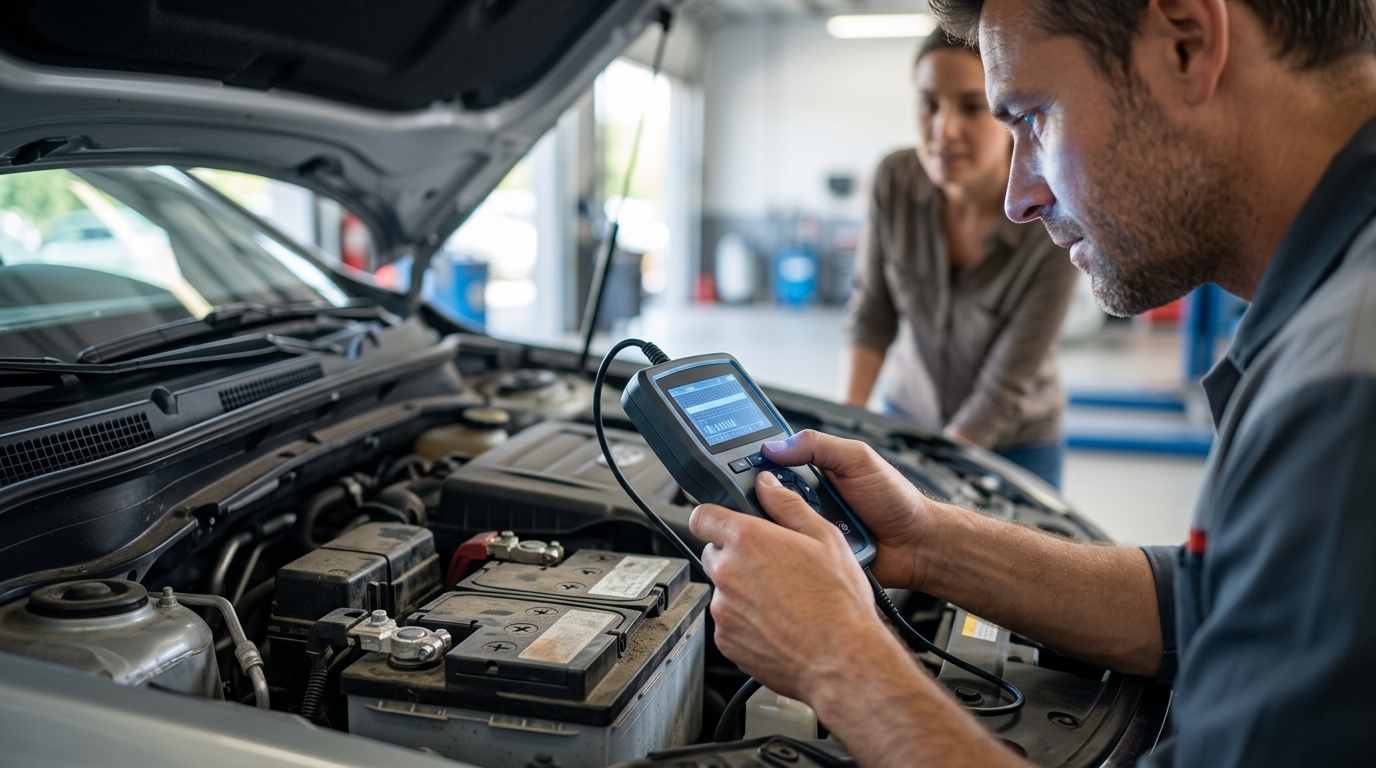
Before paying for a full battery replacement, verify your vehicle's warranty coverage, run a comprehensive diagnostic test, inspect the alternator and charging system, clean the battery terminals, and check for pending software updates. This guide provides a step-by-step framework to help you avoid unnecessary expenses and ensure your vehicle's electrical system is truly ready for a new battery.
Warranty Coverage
Before spending money on a new battery, you must determine if your current battery is still under warranty. A battery warranty is a manufacturer guarantee that covers defects in materials or workmanship for a specific period. Most standard automotive batteries come with a 12-month full replacement warranty, followed by a 24-month pro-rated warranty. If your battery fails within the first year, the manufacturer typically replaces it for free. After that, the cost is shared between you and the manufacturer based on the remaining life of the warranty.
Check your purchase receipt or warranty card immediately. If you bought the battery at a retail store or a service center like Toole's Garage, they can often look up the warranty status for you. Ignoring this step can cost you hundreds of dollars unnecessarily. Always ask for a warranty check before authorizing a full replacement.
Diagnostic Testing
A simple voltage check is not enough to determine if a battery is truly dead. Diagnostic testing is the process of measuring a battery's ability to hold a charge and deliver power under load. A healthy 12-volt battery should read between 12.4 and 12.7 volts when the engine is off. If the reading is below 12.4 volts, the battery is likely discharged and needs a recharge before a final verdict is made.
Professional shops use a load tester or a conductance tester. These tools simulate the high current demand of starting the engine. If the battery voltage drops below 9.6 volts during a load test, it has failed. At Toole's Garage in Stockton, technicians use advanced digital tools to diagnose these issues accurately. This ensures you are not replacing a battery that simply needs a good charge or a minor repair.
Alternator and Charging System
Replacing a battery is a waste of money if the alternator is not charging it properly. The alternator is the component responsible for generating electrical power while the engine runs. It replenishes the battery's charge and powers the vehicle's electrical systems. If the alternator is failing, it will drain the new battery just as quickly as it drained the old one.
Look for signs of alternator trouble, such as dimming headlights, flickering dashboard lights, or a burning rubber smell. A charging system test measures the voltage output while the engine is running. A healthy system should produce between 13.5 and 14.7 volts. If the voltage is too low, the alternator or voltage regulator needs repair. If it is too high, it can overcharge and damage the battery. Always have the charging system tested before installing a new battery.
Battery Terminals
Corroded battery terminals are a common cause of starting issues that mimic a dead battery. Battery terminals are the metal posts on top of the battery where the cables connect. Over time, a white or blue powdery substance called corrosion can build up on these posts. This corrosion creates resistance, preventing proper electrical flow to the starter motor and ignition system.
Cleaning the terminals is a simple and inexpensive fix. You can use a battery terminal cleaner or a mixture of baking soda and water. Scrub the posts and the cable clamps until they are shiny and clean. Tighten the clamps to ensure a secure connection. If your vehicle has been having intermittent starting problems, cleaning the terminals might solve the issue without the need for a new battery. This is a critical step that many drivers overlook.
Software Updates
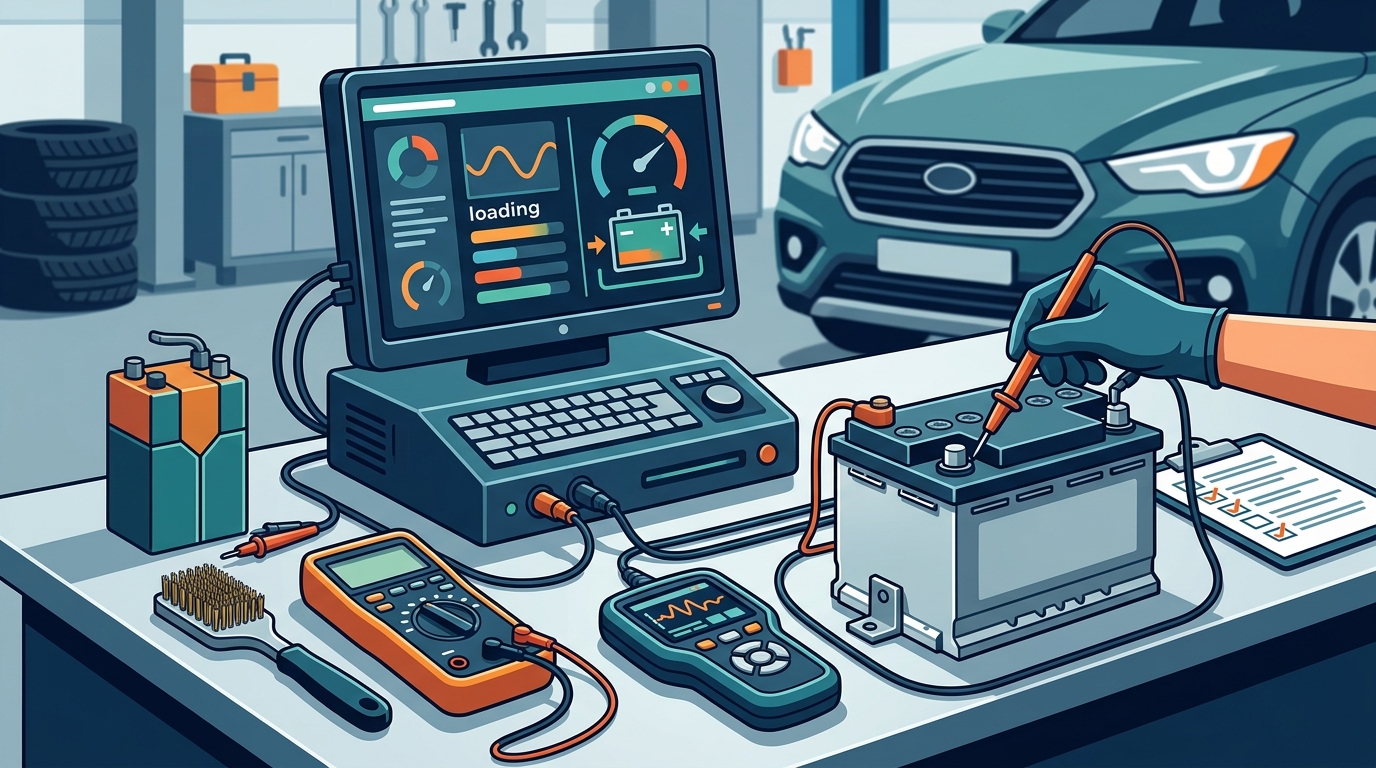
Modern vehicles rely heavily on software to manage battery usage and charging. A software update is a patch or revision to the vehicle's computer systems that can improve performance and fix bugs. In some cases, a faulty software calibration can cause the battery to drain faster than normal or prevent it from charging correctly. Before replacing the battery, ask your technician if there are any pending software updates for your vehicle's battery management system.
These updates can often resolve issues related to parasitic drain or charging logic. If your vehicle is a hybrid or electric model, software updates are even more critical. At Toole's Garage, we specialize in hybrid battery testing and diagnostics. We use industry-certified equipment to ensure that the software is up to date and that the battery is being managed correctly. This step can save you from a costly replacement if the issue is purely digital.
| Check Item | What to Look For | Cost Impact |
|---|---|---|
| Diagnostic Test | Voltage under load and conductance | Prevents unnecessary replacement |
| Alternator | 13.5-14.7 volts while running | Avoids repeated battery failure |
| Terminals | Free of white/blue corrosion | Low-cost fix for starting issues |
| Software | Latest battery management updates | Resolves digital drain issues |
Key Takeaways
- Always check your battery warranty before paying for a replacement.
- A load test is more accurate than a simple voltage check.
- The alternator must be tested to ensure it can charge the new battery.
- Corroded terminals can mimic a dead battery and are easy to clean.
- Software updates can fix battery management issues in modern cars.
- Hybrid and electric vehicles require specialized diagnostic tools.
- Professional diagnosis prevents unnecessary spending.
- Regular maintenance extends the life of your battery.
Frequently Asked Questions
How long does a car battery usually last?
Most car batteries last between three and five years. However, this can vary based on climate, driving habits, and the quality of the battery. Extreme heat or cold can shorten the lifespan.
Can I test my battery at home?
You can check the voltage with a multimeter, but a load test is required for a definitive diagnosis. A multimeter only shows the resting voltage, not the battery's ability to handle a load.
What is a parasitic drain?
A parasitic drain is an electrical component that continues to draw power from the battery after the engine is turned off. This can slowly discharge the battery over time.
Do hybrid batteries need different care?
Yes, hybrid batteries are more complex and require specialized diagnostic tools. They are designed to last longer but can be sensitive to software and temperature issues.
How much does a battery replacement cost?
Costs vary by vehicle and battery type. A standard battery might cost a few hundred dollars, while a hybrid battery can be significantly more. Always get a quote before authorizing work.
Should I replace the battery if the alternator is bad?
No, you should fix the alternator first. If you replace the battery while the alternator is failing, the new battery will likely die quickly.
Conclusion
Replacing a battery is a significant expense, and it should only be done after a thorough investigation. By checking your warranty, running a diagnostic test, inspecting the alternator, cleaning the terminals, and verifying software updates, you can ensure that a new battery is truly necessary. This approach saves you money and ensures your vehicle's electrical system is healthy. For reliable service and expert diagnostics, visit Toole's Garage today. Our team is dedicated to providing honest advice and high-quality repairs for your vehicle.