How to Choose a Reliable Shop
Questions to Ask Before Committing
Asking the right questions helps you understand the scope of work. Start by asking for a detailed diagnosis. Do not accept vague answers like "the AC is bad." Ask for the specific component that failed. Request a written estimate before any work begins. Ask if the estimate includes labor and parts. Clarify the warranty coverage for both parts and labor. Ask about the brand of parts being used. OEM parts are more expensive but often last longer. Aftermarket parts can be a cost-effective alternative. Ask how long the repair will take. This helps you plan your schedule. Ask if they offer a loaner vehicle or shuttle service. These questions demonstrate that you are an informed consumer. Shops respect customers who ask for clarity. It also helps you compare quotes from different providers. Do not hesitate to ask for a second opinion if the quote seems high. You are entitled to understand what you are paying for. This dialogue builds trust and ensures alignment on expectations.
Verifying Credentials and Claims
Verifying a shop's credentials protects you from substandard work. Check for ASE certification on the technician's profile. You can verify this through the ASE website. Look for EPA Section 609 certification for refrigerant handling. This is legally required for AC repairs. Verify the shop's business license and insurance. Ask for proof of liability insurance. This covers any damage to your vehicle during the repair. Check for membership in professional organizations. These groups often require adherence to ethical standards. Verify the shop's physical address and phone number. Ensure they have a stable business presence. Check their online reputation on independent review platforms. Look for recent reviews that mention specific services. Verify the warranty terms in writing. Do not rely on verbal promises. A legitimate shop will provide a written warranty document. This verification process takes time but prevents costly errors. It ensures that the person working on your car is qualified. It also confirms that the shop is a legitimate business entity. This step is crucial for peace of mind.
The Repair Process and Timeline
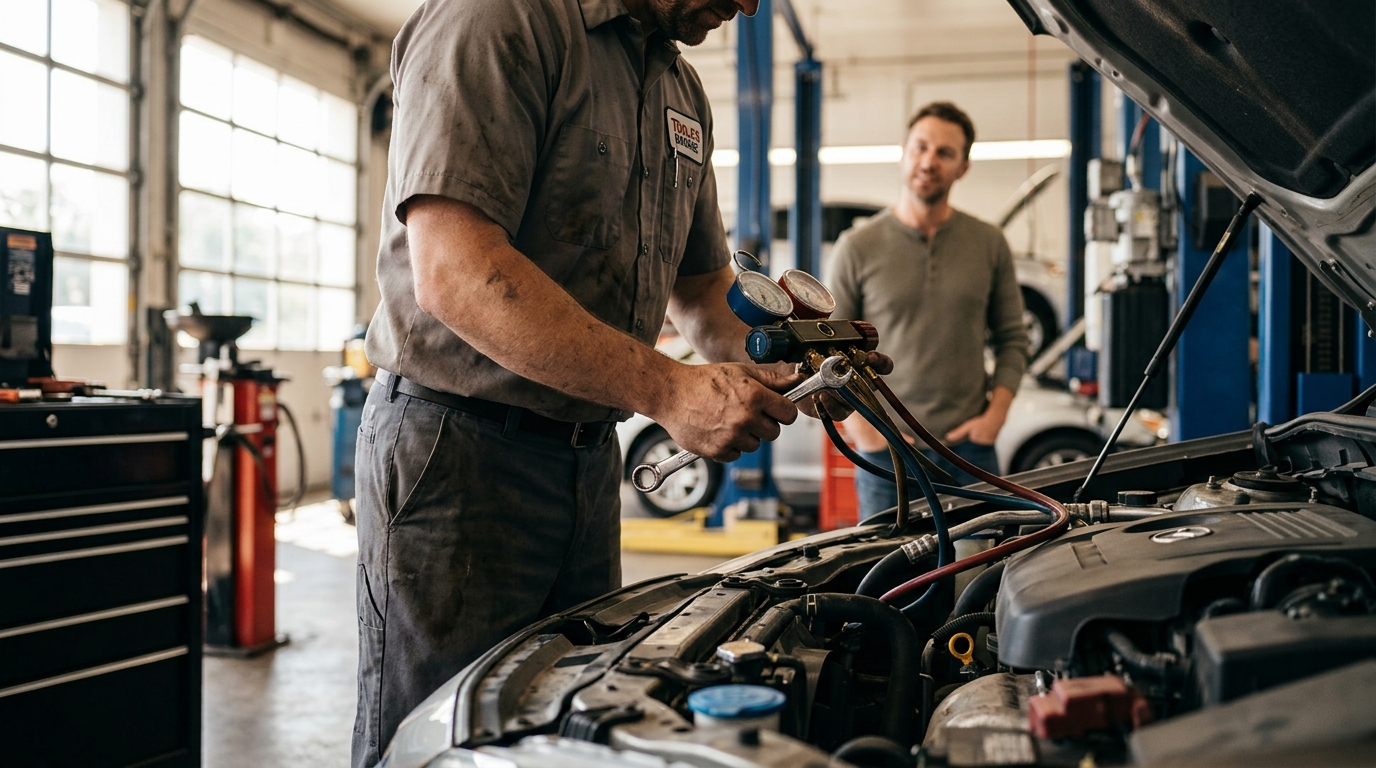
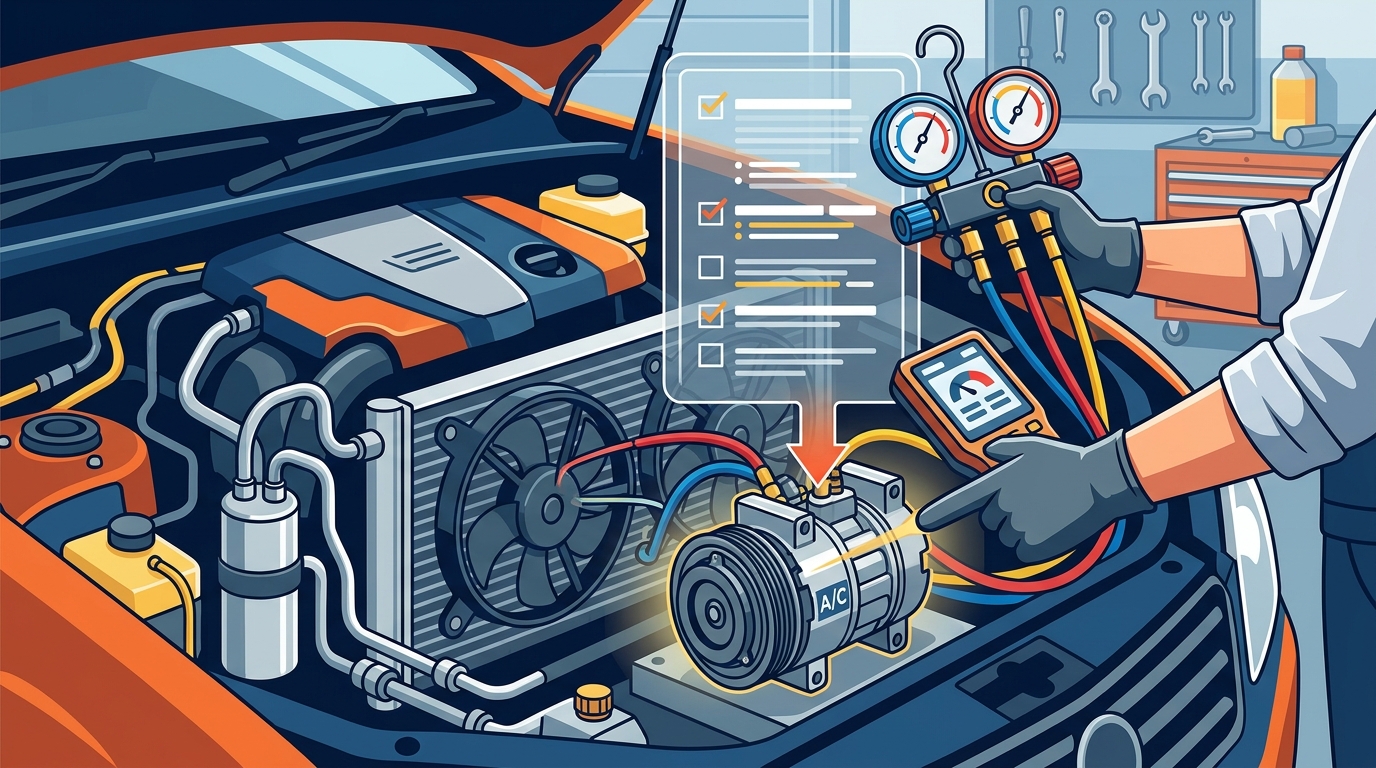
Understanding the repair process helps you manage expectations. The process begins with a diagnostic inspection. The technician checks for error codes and pressure levels. They inspect for leaks using UV dye or electronic detectors. This step usually takes 30 to 60 minutes. Once the issue is identified, a repair plan is proposed. If you approve, the repair begins. Common repairs include compressor replacement or condenser repair. Compressor replacement is a major job. It involves removing the compressor and installing a new one. This can take 4 to 8 hours of labor. After the repair, the system is evacuated and recharged. The technician checks for proper cooling performance. The entire process can take one to three days. Minor repairs like a fan motor replacement may take less time. Major repairs like a compressor swap take longer. The timeline depends on parts availability. If parts are in stock, the repair is faster. If parts must be ordered, expect a delay. Communication is key during this process. A good shop will update you on progress. This transparency helps you plan your day. It also reduces anxiety about the repair status.
Cost Drivers and Price Ranges
Common Mistakes to Avoid
Avoiding common mistakes saves money and time. One mistake is ignoring early warning signs. Weak cooling or strange noises indicate a problem. Delaying repair can lead to more damage. Another mistake is accepting a verbal estimate only. Always get a written estimate. This protects you from price changes. Do not skip the diagnostic step. A proper diagnosis prevents unnecessary repairs. Avoid shops that do not provide a warranty. A warranty indicates confidence in the work. Do not ignore the source of the leak. Recharging without fixing the leak is a temporary fix. The refrigerant will leak out again. This wastes money. Avoid using unverified parts. Cheap parts may fail quickly. This leads to repeat repairs. Do not hesitate to ask for a second opinion. If a quote seems high, verify it. These mistakes are common but preventable. Informed decision-making is your best defense. It ensures you get the best value for your money. It also ensures a long-lasting repair. Avoiding these pitfalls leads to a smoother experience.
Repair Versus Replacement
Deciding between repair and replacement is a key financial decision. Repair is usually the better option for minor issues. A recharge or fan motor replacement is cost-effective. Replacement is considered for major component failures. If the compressor fails, compare repair costs to vehicle value. If the repair cost exceeds 50% of the vehicle's value, replacement may be better. This is a general rule of thumb. Consider the age of the vehicle. Older vehicles may have other issues. A new vehicle may be a better investment. Consider the frequency of AC use. In hot climates, a working AC is essential. In cooler climates, it may be less critical. Evaluate the overall condition of the vehicle. If the car is in good shape, repair is likely worth it. If the car has other major issues, replacement may be better. This decision requires careful analysis. It involves comparing costs, benefits, and long-term value. A professional can help you make this decision. They can provide a clear cost-benefit analysis. This helps you make an informed choice. It ensures you do not overspend on a failing vehicle.
Scenario-Based Cost Adjustments
Costs vary based on specific vehicle scenarios. Luxury vehicles often have higher labor rates. This is due to the complexity of their systems. Parts for luxury cars are also more expensive. Electric vehicles have different AC systems. They use heat pumps instead of traditional compressors. Repair costs for EVs can be higher. This is due to the specialized training required. Hybrid vehicles also have unique AC components. The compressor may be electric. This affects the cost of replacement. Older vehicles may have simpler systems. This can lower labor costs. However, parts may be harder to find. This can increase parts costs. The specific model and year matter. Some models have known AC issues. This can affect the cost of repair. Understanding these scenarios helps you anticipate costs. It also helps you choose the right shop. A shop with experience in your vehicle type is ideal. This ensures a faster and more accurate repair. It also ensures the use of correct parts. This specificity is crucial for a successful outcome.
Consumer Protections and Warranties
Fort Wayne Climate and Local Factors
When to Act and Timing Impacts
Timing your repair can impact cost and convenience. Spring is the best time for AC maintenance. This ensures your system is ready for summer. Pre-emptive maintenance is cheaper than emergency repair. A small leak fixed in spring is less costly than a compressor failure in July. Summer is peak season for AC repairs. This can lead to longer wait times. Prices may also be higher due to demand. If you have a minor issue, wait for off-peak times. This can save you money. However, if the AC is not working, act immediately. A non-functional AC is a safety issue in hot weather. Do not delay a major repair. The longer you wait, the more damage may occur. This can increase the cost. Timing also affects parts availability. Some parts may be out of stock in peak season. This can delay the repair. Planning ahead helps you avoid these issues. It ensures a timely and cost-effective repair. This strategic approach saves money and time. It also ensures your comfort and safety.
Long-Term Outcomes and Maintenance
Long-term outcomes depend on maintenance and repair quality. A well-maintained AC system lasts longer. Regular maintenance includes cleaning the condenser and checking refrigerant levels. This prevents minor issues from becoming major failures. A quality repair ensures long-term reliability. Using OEM parts extends the life of the system. Aftermarket parts may need replacement sooner. This affects long-term costs. Regular inspections help identify issues early. This prevents costly repairs. A proactive approach saves money over time. It also ensures consistent performance. The long-term outcome is a reliable and efficient AC system. This enhances your driving experience. It also preserves the value of your vehicle. A working AC is a key feature for resale. This investment pays off in the long run. It ensures you get the most from your vehicle. This long-term perspective is crucial for smart ownership.
Key Takeaways
- Always request a written estimate before authorizing work.
- Verify ASE and EPA certifications to ensure technician competence.
- Compare repair costs to vehicle value to decide on replacement.
- Spring is the best time for AC maintenance to avoid summer peaks.
- Use OEM parts for long-term reliability and durability.
- Check local consumer protection laws for additional rights.
Frequently Asked Questions
How much does an AC compressor replacement cost in Fort Wayne?
Is it worth repairing an old car's AC?
It depends on the vehicle's value and condition. If the repair cost exceeds 50% of the vehicle's value, replacement may be better. Consider the overall condition of the car.
How long does an AC repair take?
Minor repairs take a few hours. Major repairs like compressor replacement can take one to three days. The timeline depends on parts availability and shop schedule.
What is the difference between OEM and aftermarket parts?
OEM parts are made by the vehicle manufacturer. They are more expensive but often last longer. Aftermarket parts are made by third-party companies. They are cheaper but may vary in quality.
Do I need a warranty for AC repair?
Yes, always ask for a written warranty. It should cover both parts and labor. A warranty indicates the shop's confidence in their work.
How can I verify a shop's credentials?
Check for ASE certification and EPA Section 609 certification. Verify the shop's business license and insurance. Check online reviews for customer feedback.
What are the signs of a failing AC system?
Signs include weak cooling, strange noises, and musty smells. These indicate potential issues that need attention. Early detection prevents costly repairs.
When is the best time to service my AC?
Spring is the best time for AC maintenance. This ensures your system is ready for summer. Pre-emptive maintenance is cheaper than emergency repair.